HearBat
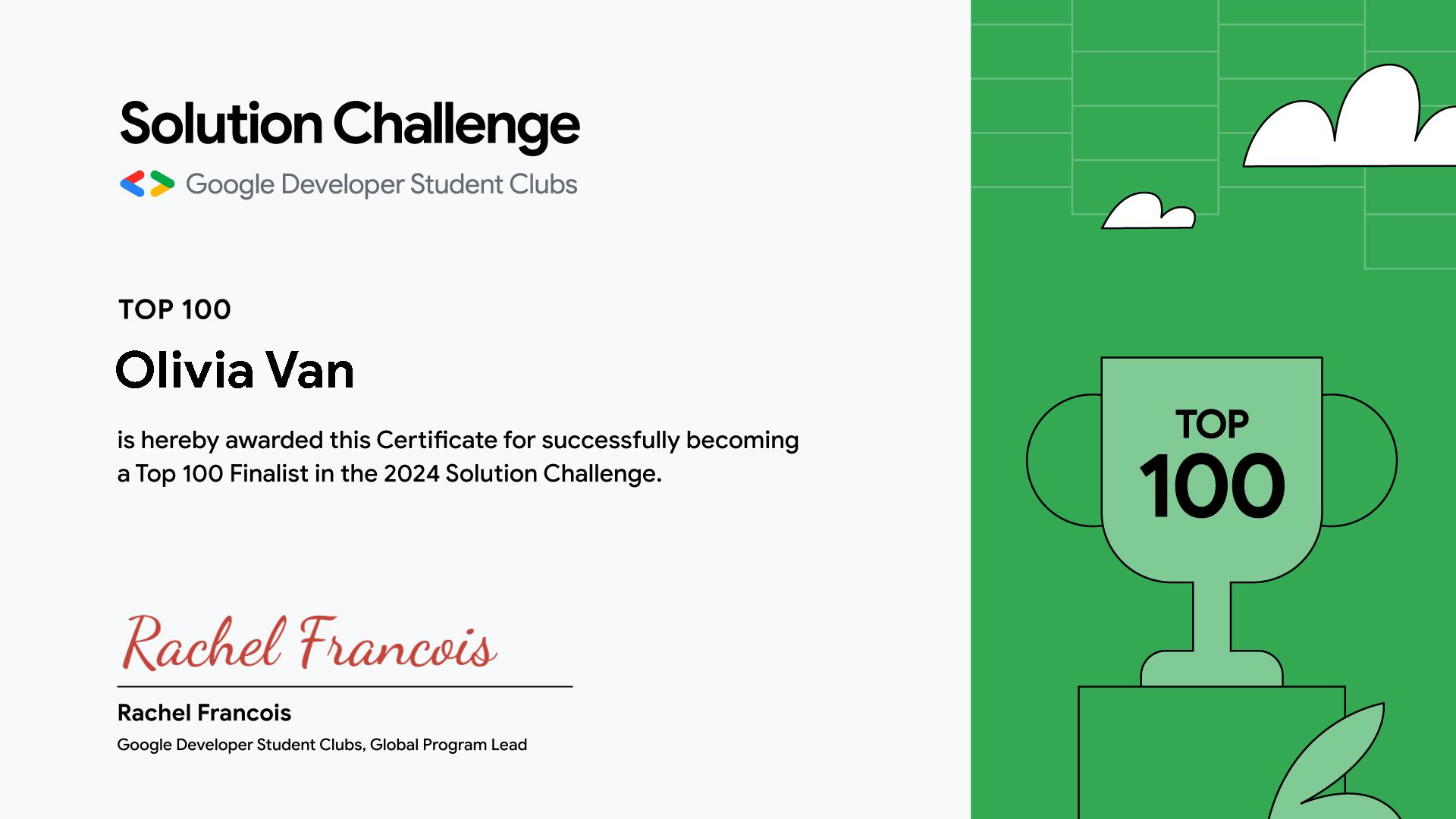
Top 100 global winner for HearBat, an app that helps cochlear implant users strengthen their hearing through gamified training.
Overview
HearBat is an award-winning auditory training app developed for the 2024 GDSC Solutions Challenge to help cochlear implant recipients rebuild confidence in their hearing. It's now a live, deployed product with active users across New Zealand, Australia, Switzerland, and the United States. Through gamified tasks and personalized feedback, the app brings rehabilitation into an accessible, supportive mobile experience — currently supporting training in English and Vietnamese, with Spanish in active development. HearBat is fully open source, and the project is being expanded by a capstone team while I continue to lead the design direction.
Problem
Many auditory training apps for cochlear implant users are paywalled, outdated, or lack accessible and intuitive interaction patterns. For new implant recipients, distinguishing everyday sounds, especially speech, can be extremely challenging, and existing tools often fail to provide engaging or adaptive support during this critical rehabilitation period.
How can I bridge the gap between engagement and effective auditory education, creating a tool that is motivating enough for daily use, yet structured and adaptive enough to meaningfully support cochlear implant rehabilitation?
Competitor Analysis
Clarified the usability gaps that still need solving.
I analyzed three popular auditory training apps used by cochlear implant recipients, focusing on their strengths, weaknesses, and unique features. While each app provides valuable exercises, all showed gaps in usability, motivation, and accessibility. This revealed a clear opportunity to design a tool that not only supports rehabilitation but also delivers it through a modern, engaging, and user-friendly experience.
Strengths
- Provide structured listening exercises
- Offer at-home practice
- Include basic progress tracking
- Generally accessible or low-cost
Weaknesses
- Outdated, unintuitive interfaces
- Low engagement and motivation
- Repetitive exercises with little adaptation
- Limited personalization
- Exclusive features locked behind paywalls
User Research
Users must relearn how to hear, yet most lack the support to do it.
Cochlear implants are life-changing devices for people who no longer benefit from traditional hearing aids. More than one million people worldwide rely on them. But surgery is only the first step. To fully adapt to their implant, users must complete consistent auditory rehabilitation to retrain the brain to interpret new sounds, especially speech.
This process is long, repetitive, and mentally demanding. Most users need accessible tools to guide practice, track progress, and build confidence. However, many existing apps are paywalled, outdated, or lack intuitive design, leaving gaps in both usability and engagement. These gaps shaped my direction for HearBat.
Solution
A gamified rehabilitation app that adapts to each user, not the other way around.
HearBat turns the four opportunity areas into a single, calm experience: personalized practice, adaptive learning, real-world listening support, and gentle motivation. Together, they give cochlear implant recipients a tool that meets them where they are in their rehabilitation journey.
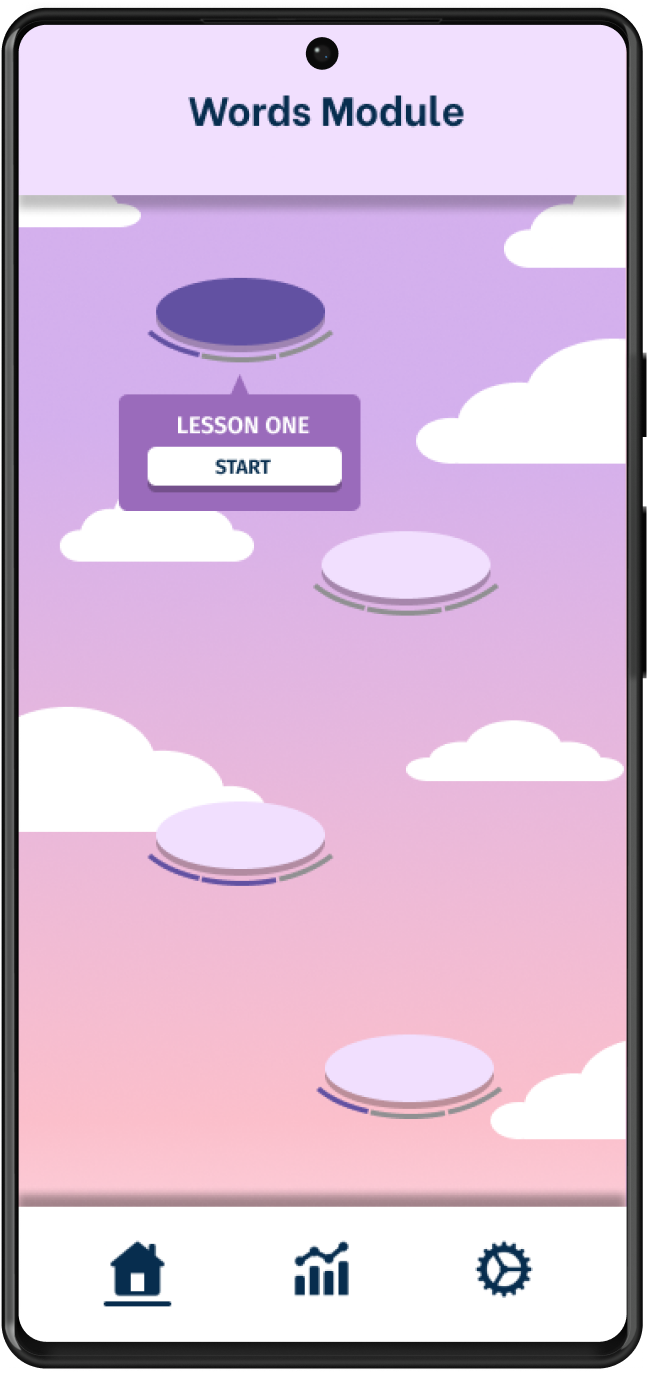
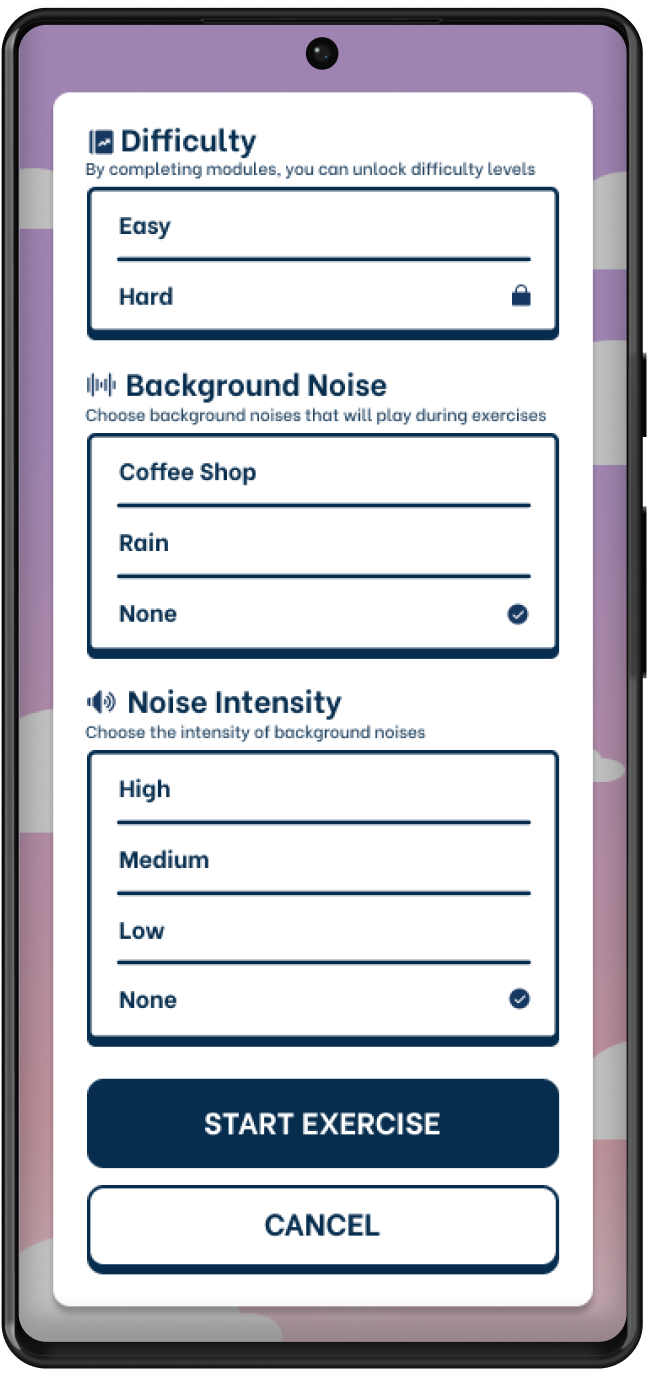
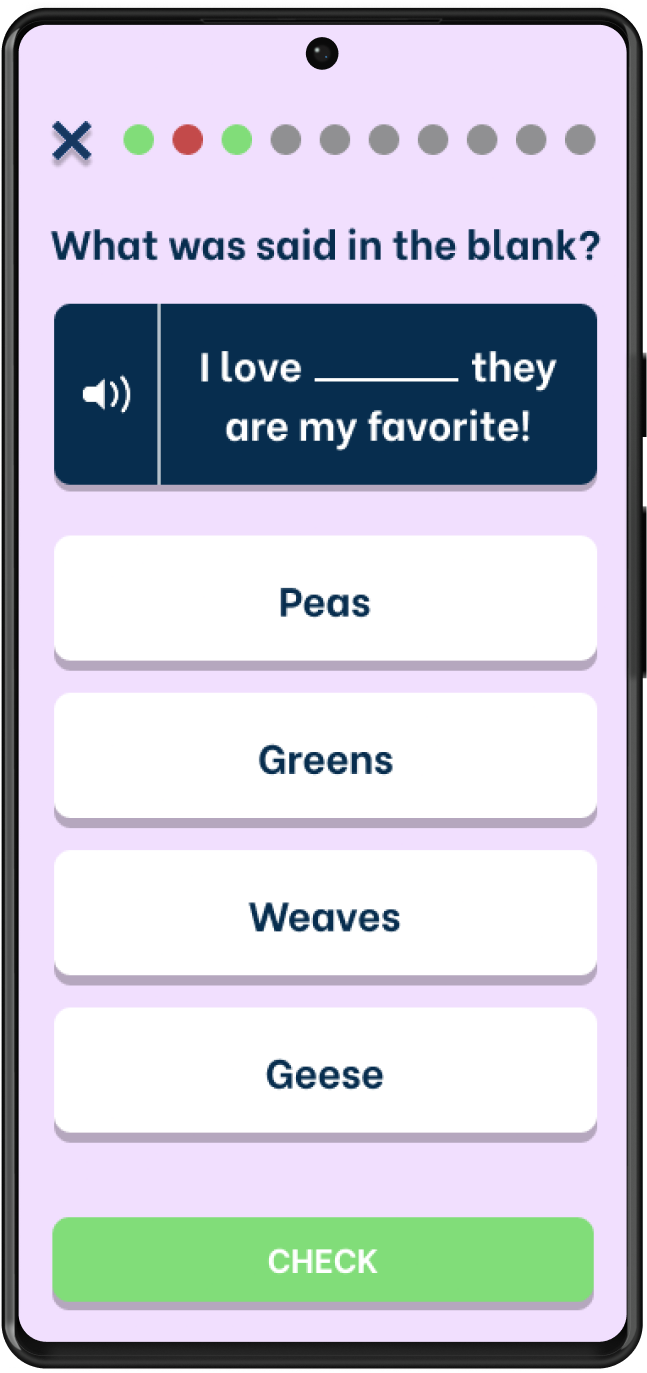
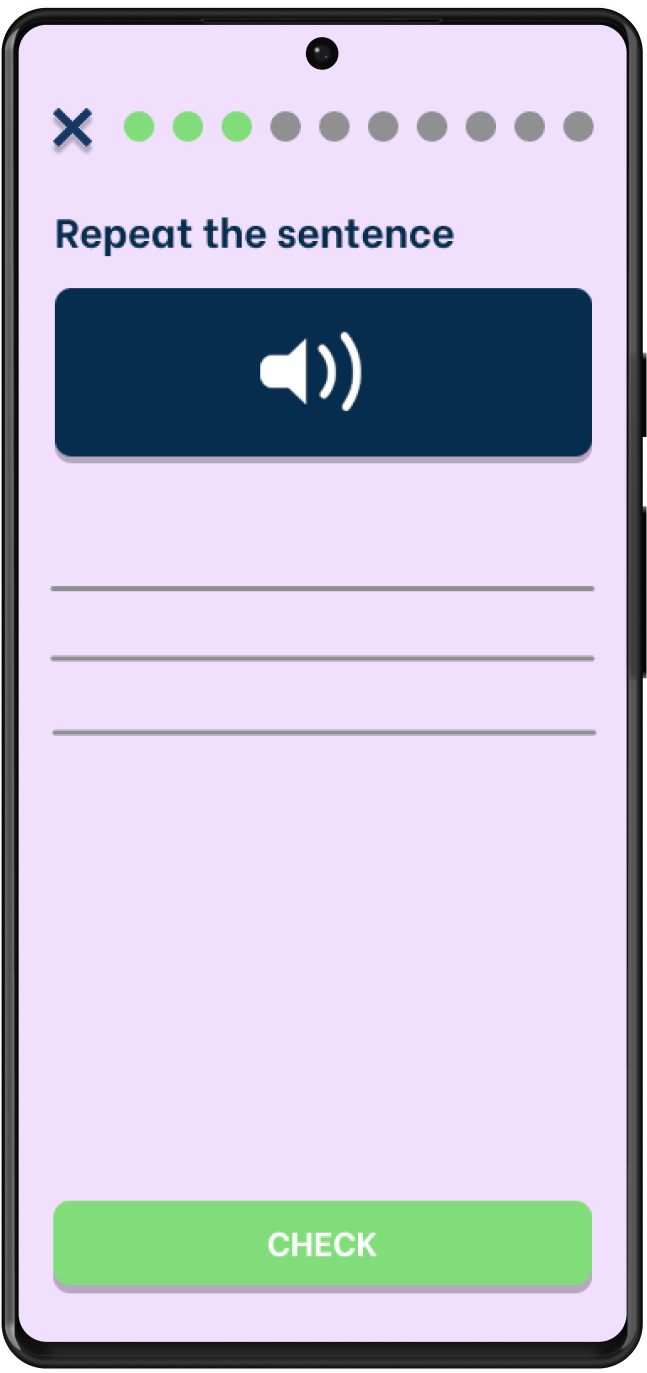
01 — Background noise simulation, difficulty levels and progressive paths.
Practice in cafés, classrooms, or workplaces, training the brain to filter speech from real-world environments before facing them. Lessons scale from beginner to advanced, so new recipients can build confidence and experienced users stay challenged without plateauing.
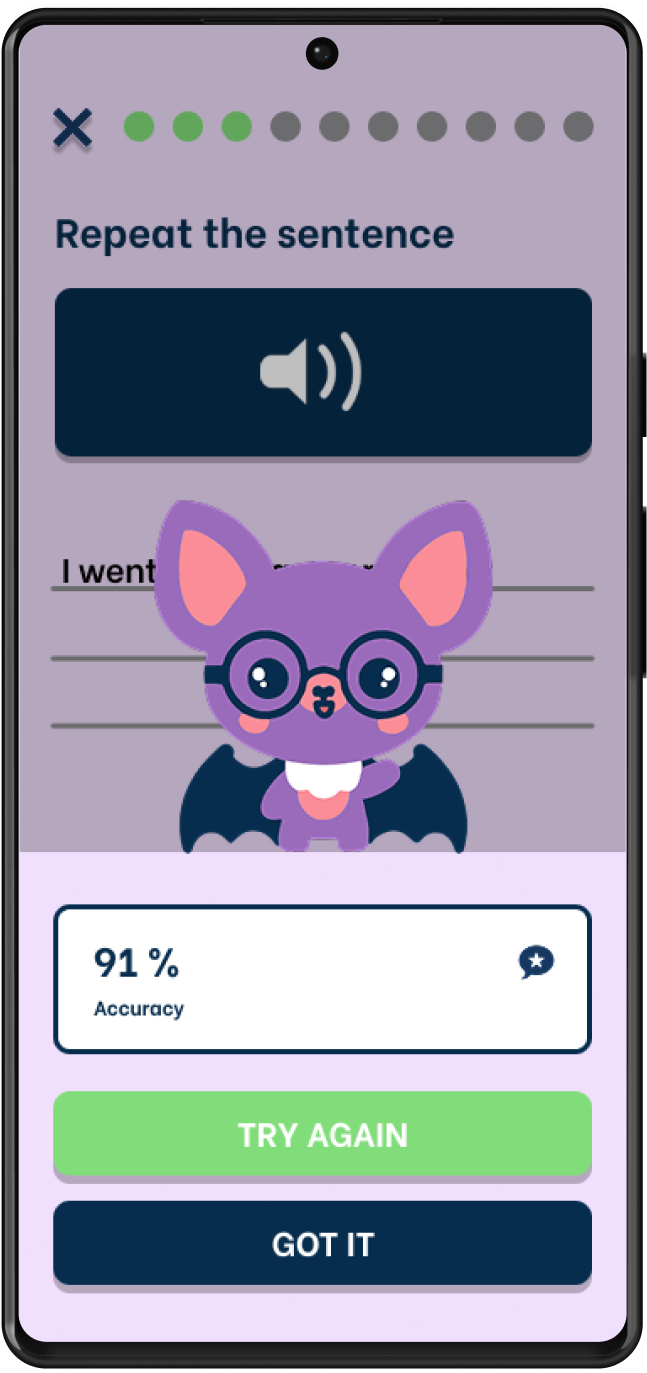
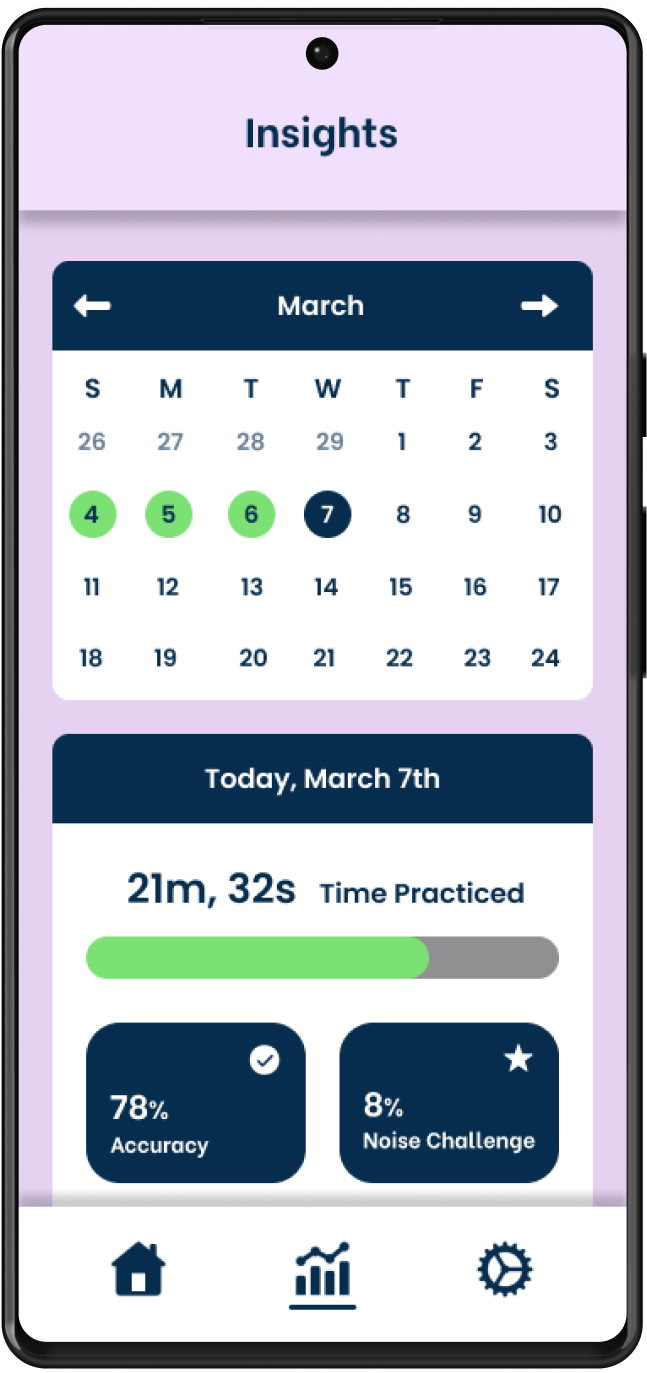
02 — Streaks, milestones, and speech to text.
Daily goals and small wins keep long-term rehabilitation feeling like steady progress, with speech to text as a built-in accessibility companion.
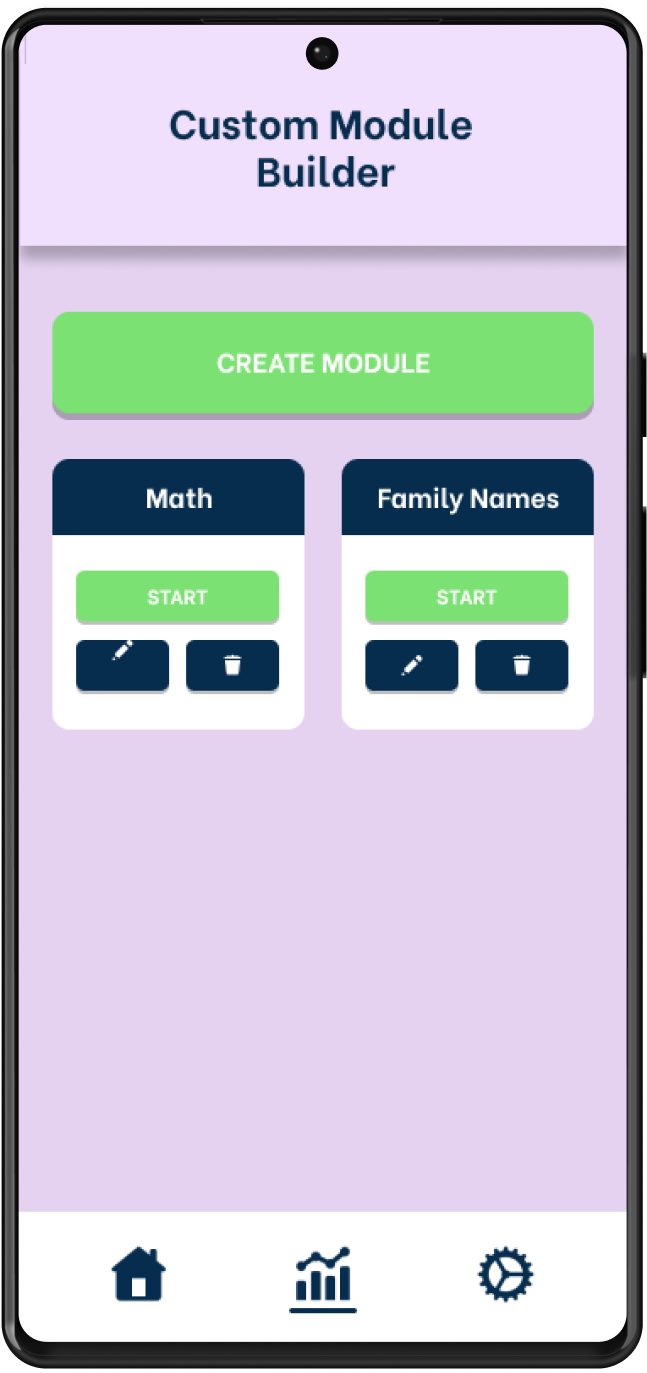
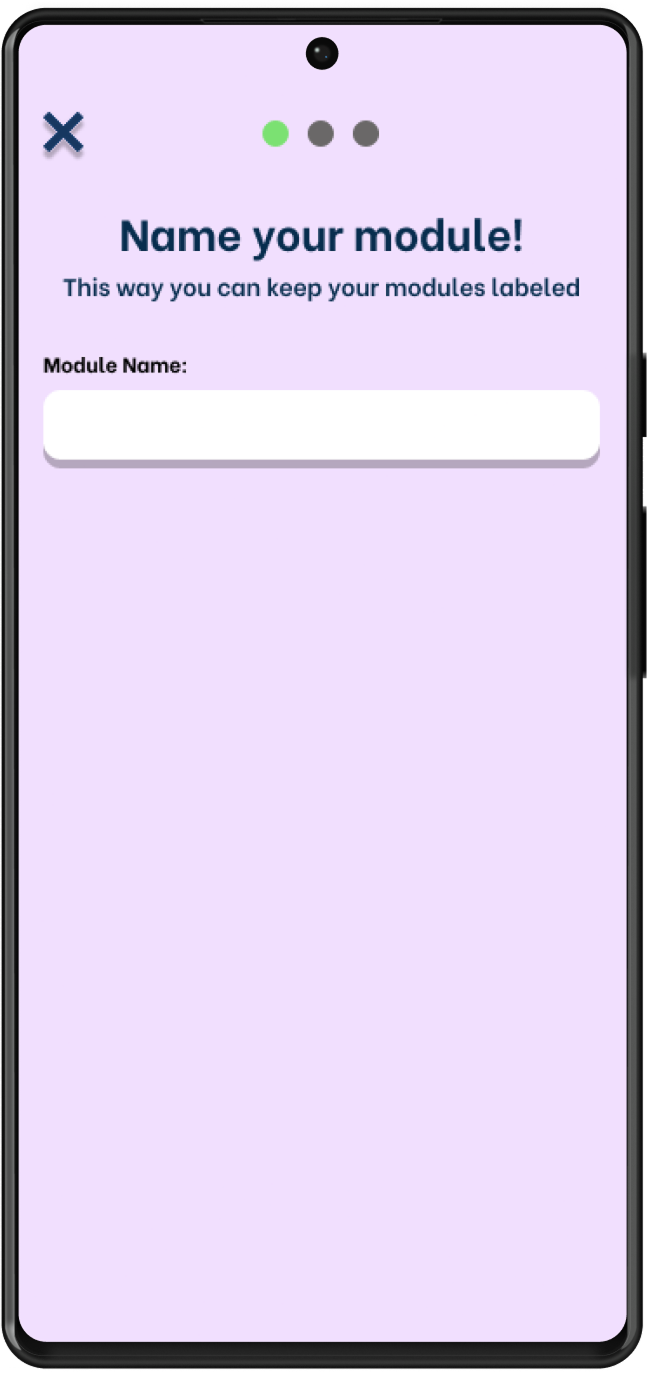
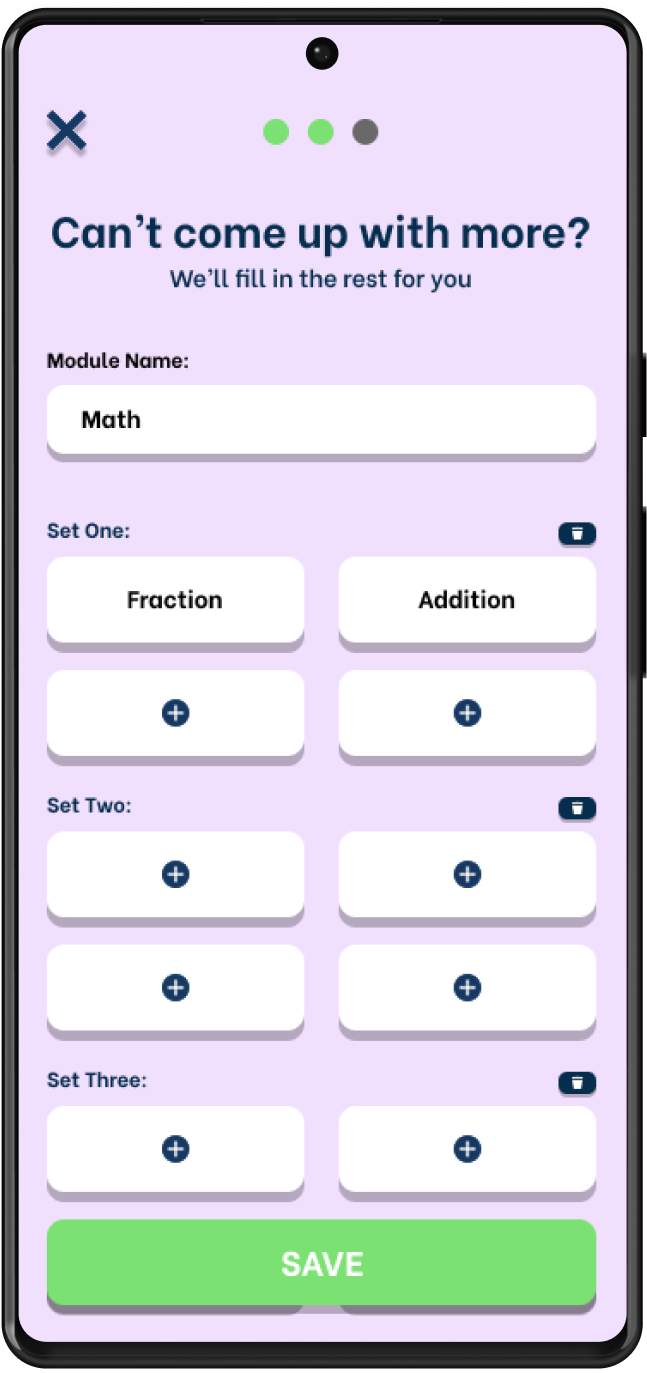
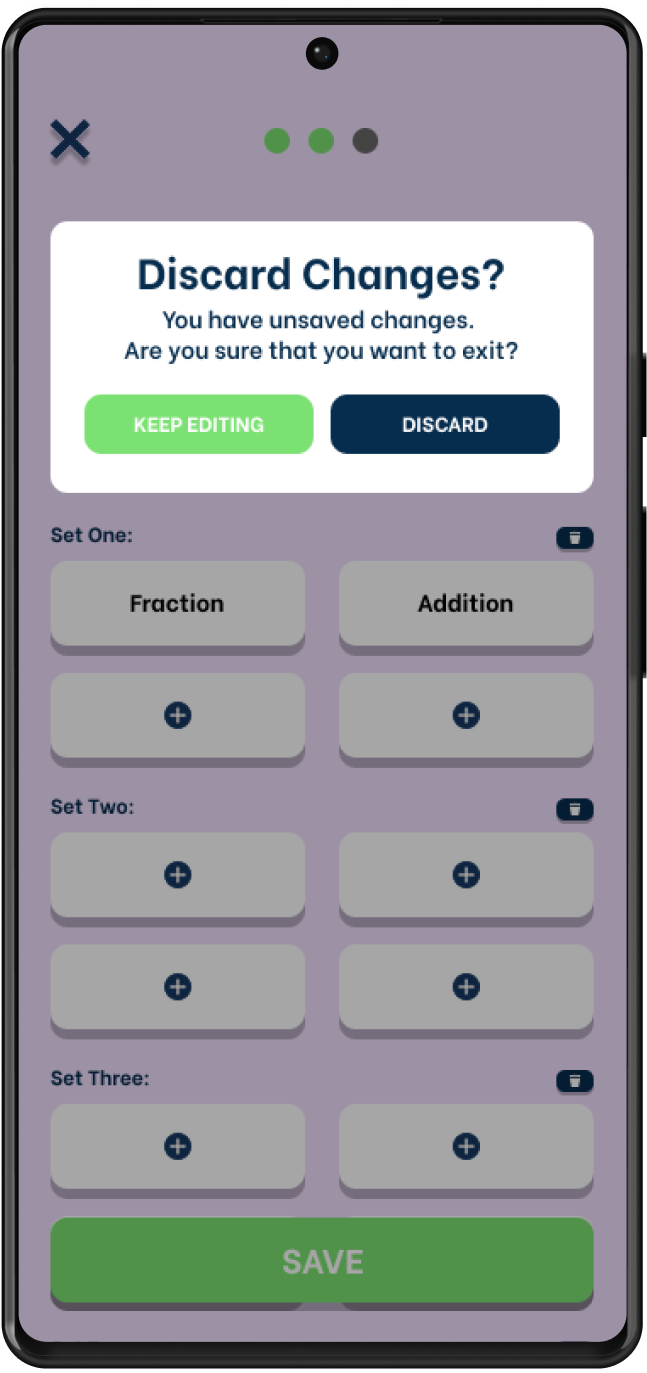
03 — Custom flashcards.
Users can build their own listening sets, giving practice a personal feel and a flexible pace.
Final Screens
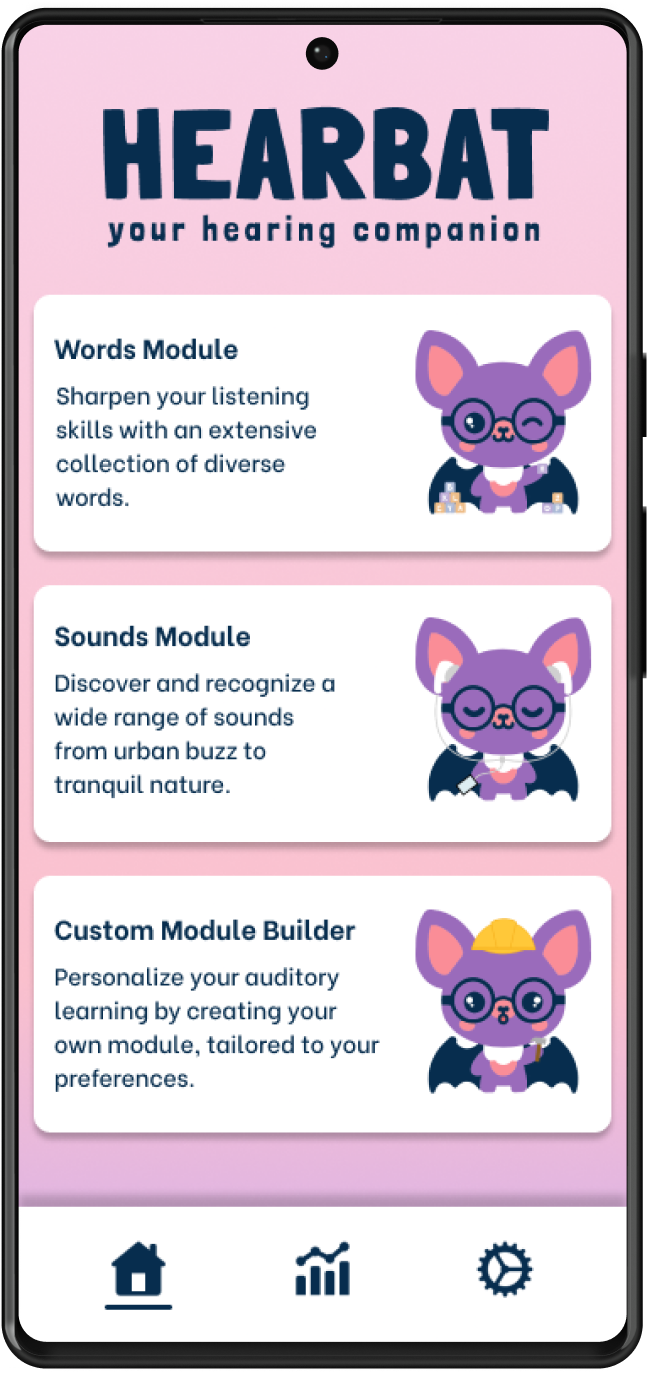
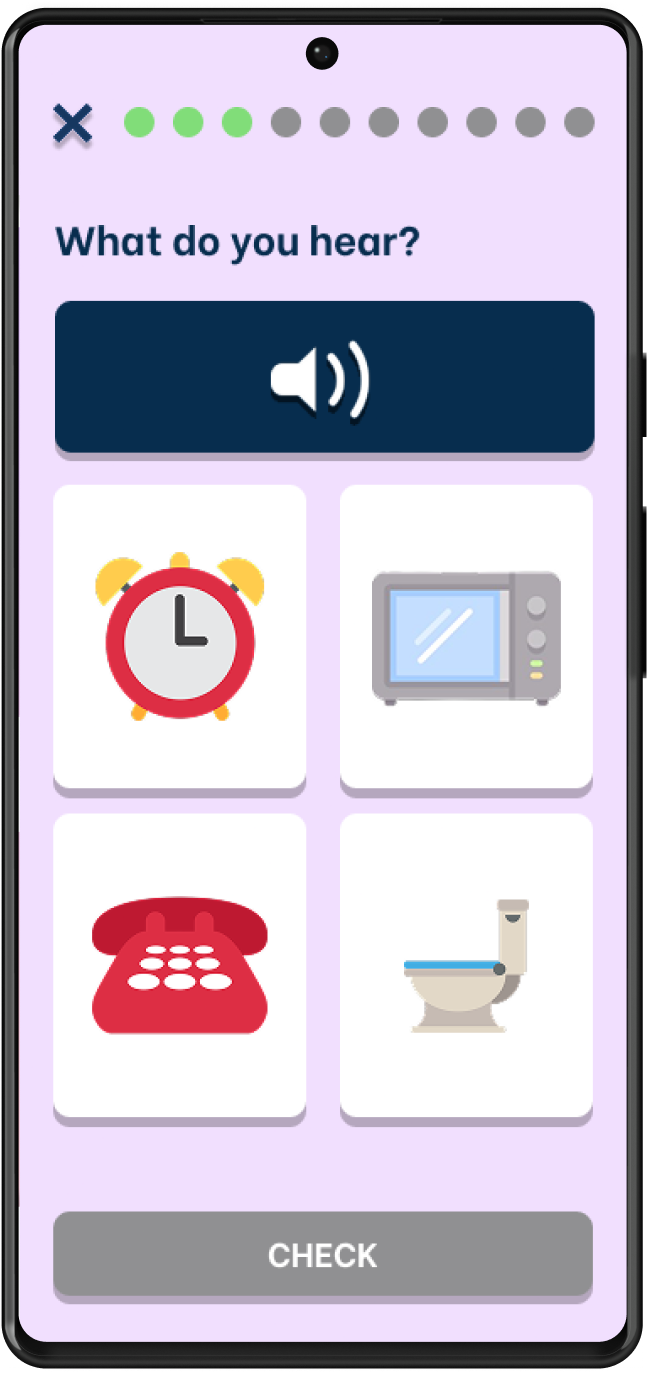
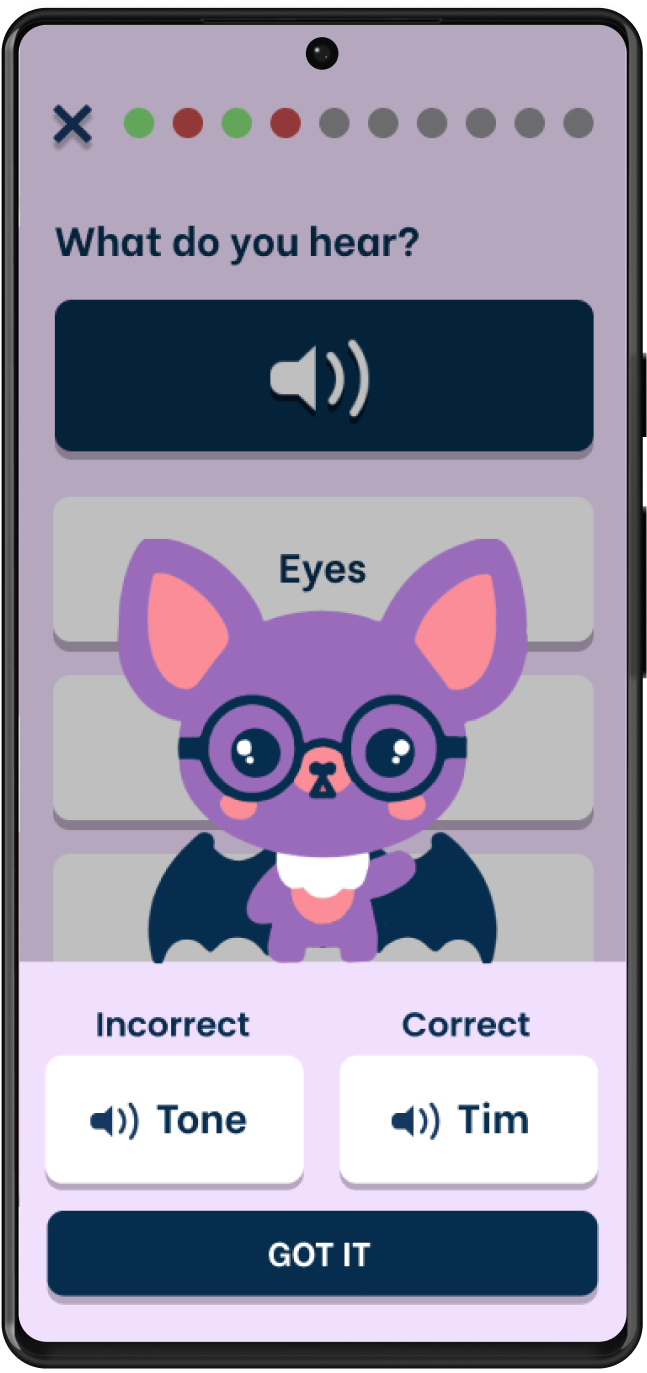
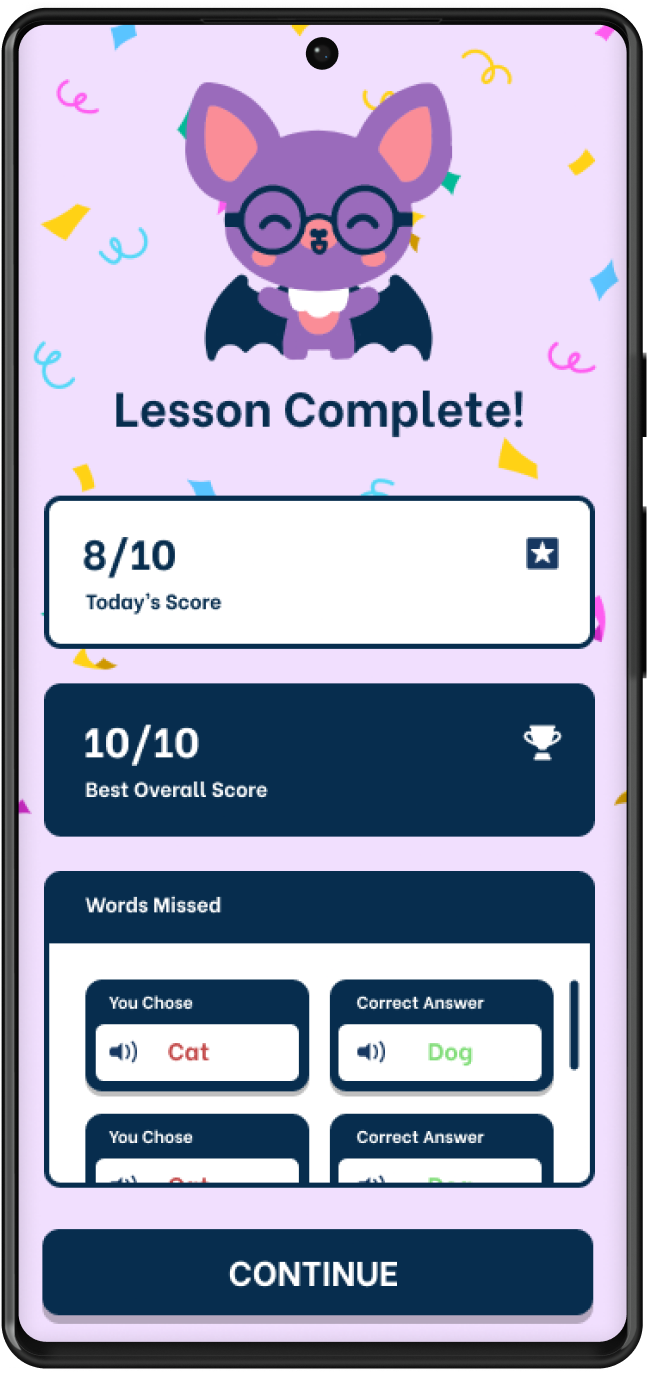
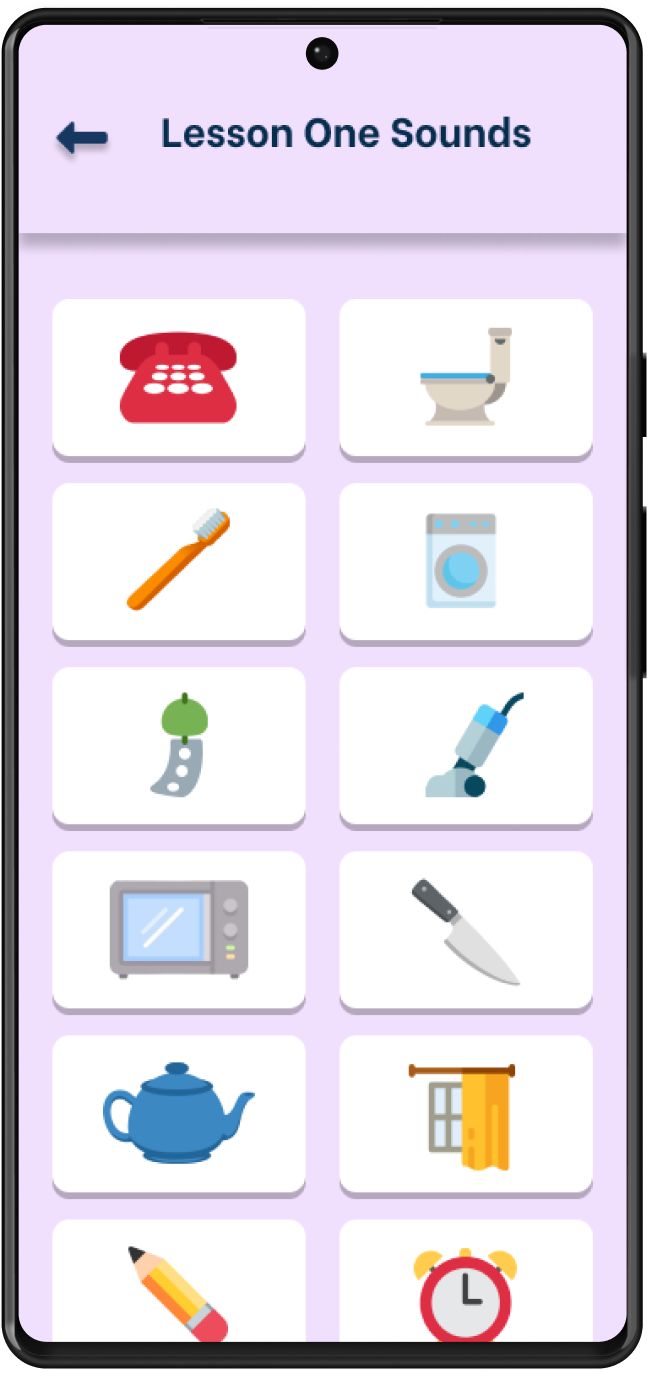
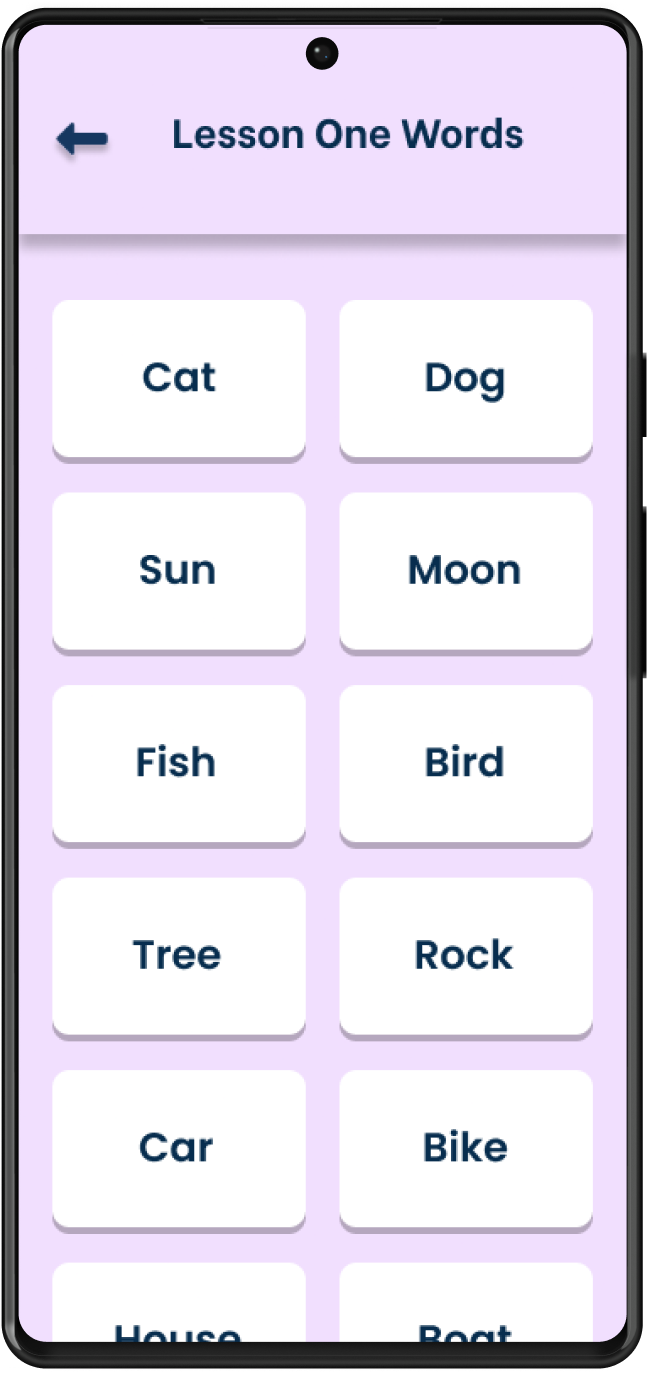
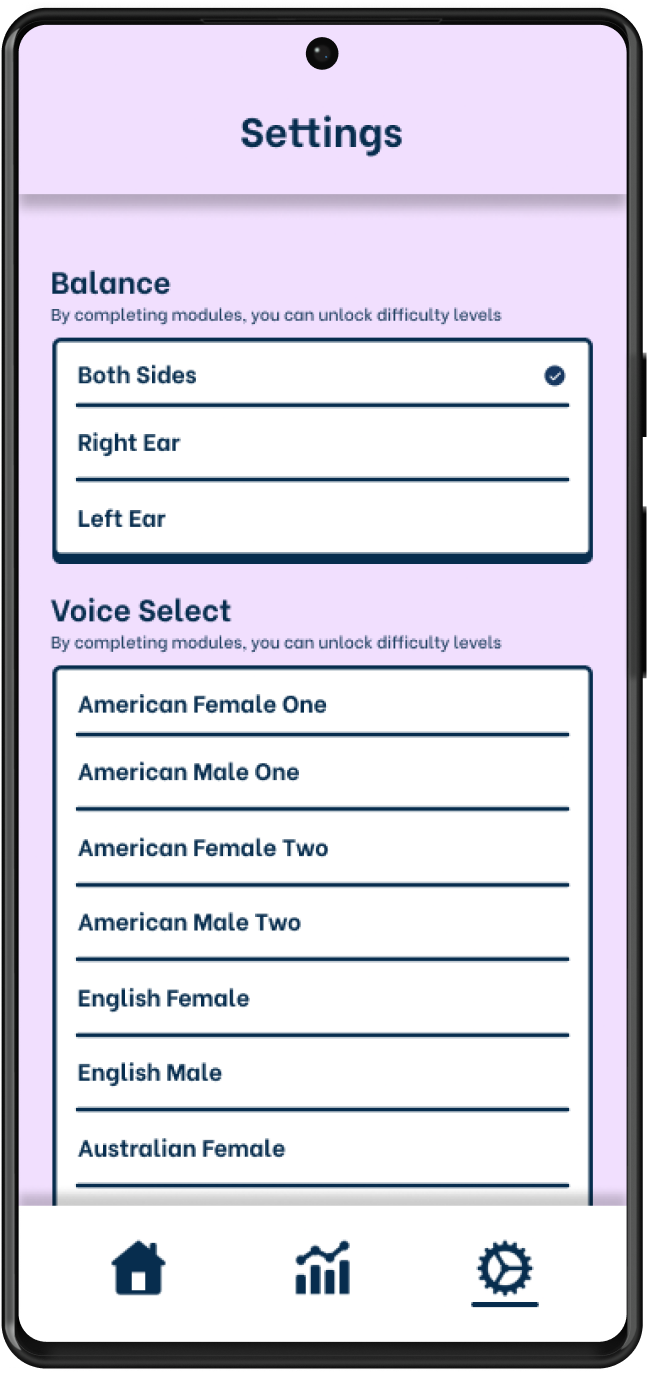
A gamified experience that turns rehabilitation into something users want to keep coming back to.
The final screens bring HearBat's four pillars together into a cohesive product — onboarding, daily practice, adaptive lessons, and progress tracking — designed to feel approachable for first-time recipients and rewarding enough to keep long-term users engaged.
Reflection
Designing for accessibility taught me to slow down and listen.
HearBat pushed me to design for a community I wasn't part of, which meant leaning heavily on user research, conversations with audiologists, and the lived experiences of cochlear implant recipients. Every assumption I had about "simple" or "intuitive" got tested — and often rewritten — by talking to real users.
The project also taught me that motivation is a design problem. Rehabilitation is long, repetitive work, and even the best content fails if the experience around it feels like a chore. Streaks, gentle prompts, and personalization weren't decoration; they were the difference between an app that gets opened once and one that becomes part of someone's recovery.
What worked
Grounding every feature in a specific user pain point kept the scope tight and gave the team a shared language for trade-offs.
What I'd change
Earlier usability testing with implant recipients — not just hearing users — would have surfaced audio and pacing issues weeks sooner.
What's next
A capstone team is extending HearBat with new lesson types and real-world audio modes, and I'm continuing to lead the design direction.